
" height="10px" id="jiGbqdUa_" transform="translate(0.43 0)" width="7.142857142857143px"/></svg>)
" height="11px" id="h9hMSmemz" transform="translate(0 0.5)" width="24px"/></svg>)
The first thirty days of a new agent

Xavier Morgan
Designer & Developer
" height="23.884615384615387px" id="uRUknI8kW" width="22.846153846153847px"/></svg>)
WORKFLOWS

Look for a task that happens often enough to matter. Notice where people collect information, move it between tools or wait for context before they can act. The goal is to make that specific moment work better.
Why Most AI Agents Disappoint
It's Rarely the Model
Teams assume a weak agent means a weak model. In practice the model is fine — it simply doesn't know who is asking, what the company already promised, or which answer would cause a problem tomorrow. Capability without context produces confident nonsense.
Automation Without Understanding
An agent dropped onto a process nobody has mapped will automate the mess that's already there. Faster handoffs don't help if the handoff itself was the broken part. The work has to be understood before it can be handed over.
Understand the Work First
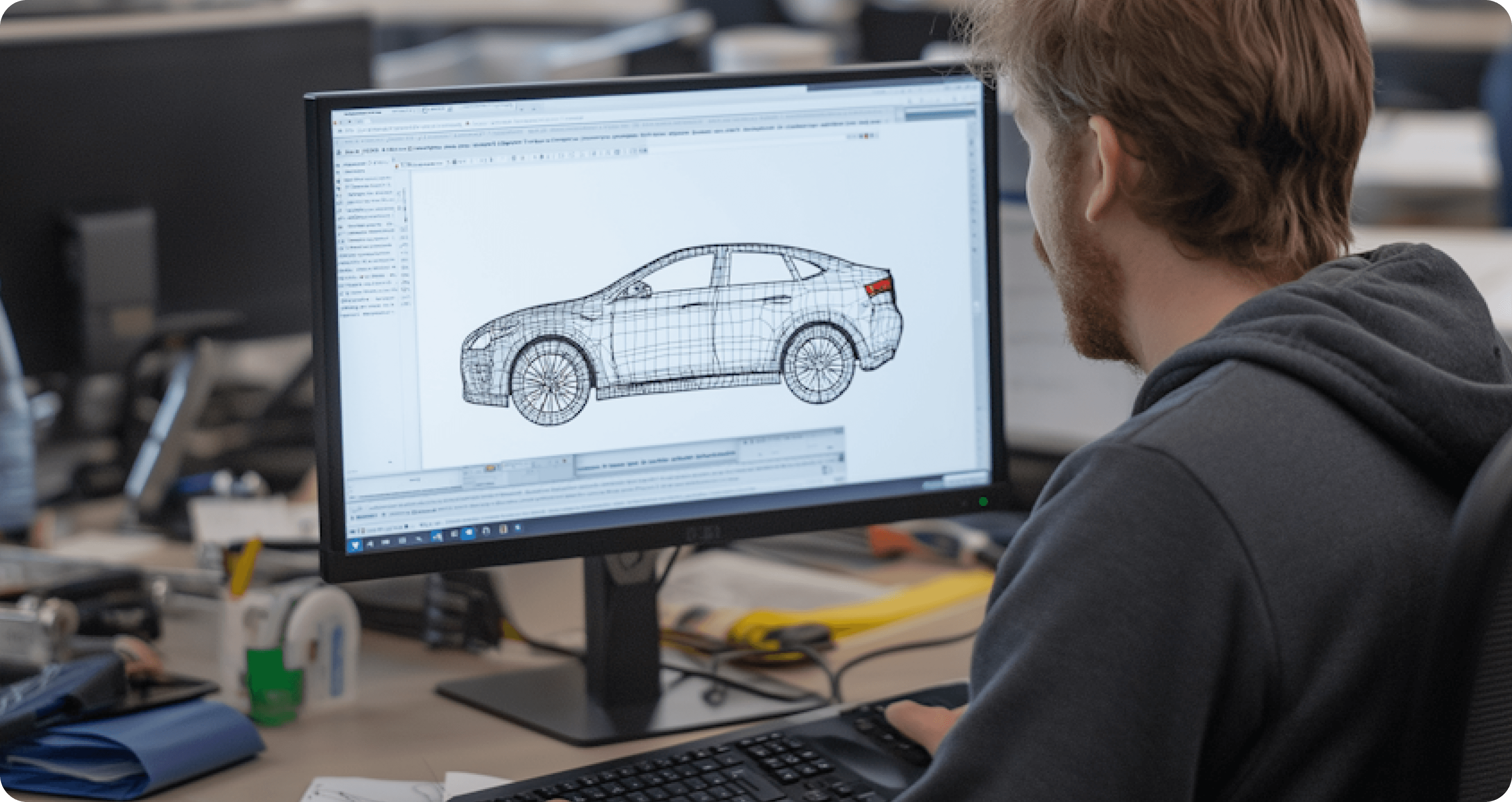
Before choosing an agent, map the current flow. What starts the task? Which information is needed? Where does the result go? Speak with the people who do the work and keep their exceptions in view — exceptions are where automation usually breaks.
A simple map makes the handoffs visible. It also helps you decide which parts can be automated and where a person should stay involved.
Context Is the Real Input
Connect It to Where Answers Live
A well-written prompt is not context. Real context is the CRM record, the order history, the policy page that was updated last week. An agent that can reach those sources answers from facts; one that can't answers from pattern.
Scope It Deliberately
Too little context and the agent guesses. Too much and it loses the thread entirely. Point it at the handful of sources that genuinely decide the outcome, keep them current, and resist the urge to connect everything just because you can.
Trust is the thing that decides whether an agent stays in use. Define clearly what it should never handle alone — refunds above a threshold, anything legal, anything involving an unhappy customer — and make escalation the normal path rather than the failure path.

[
Blog
]
MORE RELATED
POSTS
" height="10px" id="rZ5oJoBRr" width="24px"/></svg>)

WORKFLOWS
What a useful AI agent needs to know
Context is the difference between a helpful agent and a confident guesser.
WORKFLOWS
What a useful AI agent needs to know
Context is the difference between a helpful agent and a confident guesser.

WORKFLOWS
What a useful AI agent needs to know
Context is the difference between a helpful agent and a confident guesser.

" height="166.63000000000005px" id="JanuDvo74" transform="translate(298.199 77.243)" width="157.85999999999797px"/><path d="M 0 0 C 0 44.193 16.631 86.575 46.236 117.824 C 75.84 149.073 115.993 166.631 157.86 166.631 L 157.86 0 Z" fill="rgb(241, 141, 127)" height="166.63094301075273px" id="b5p055HJs" transform="translate(140.301 243.872)" width="157.85999999999794px"/><path d="M 0 0 L 0 166.63 L 157.86 166.63 C 157.86 122.437 141.23 80.054 111.624 48.805 C 82.023 17.555 41.87 0 0 0 Z" fill="rgb(241, 141, 127)" height="166.63000000000005px" id="Y0WJo46ql" transform="translate(613.914 77.243)" width="157.85999999999797px"/><path d="M 157.861 166.631 L 157.861 0 L 0 0 C 0 44.193 16.631 86.575 46.237 117.824 C 75.838 149.073 115.992 166.631 157.861 166.631 Z" fill="rgb(241, 141, 127)" height="166.63094301075273px" id="Ssn6NfFXx" transform="translate(456.053 243.872)" width="157.86141451612554px"/><path d="M 0 0 L 0 166.629 L 157.86 166.629 C 157.86 122.435 141.229 80.051 111.624 48.805 C 82.02 17.554 41.867 0 0 0 Z" fill="rgb(241, 141, 127)" height="166.62905698924732px" id="wpToGWhuP" transform="translate(298.199 410.501)" width="157.85999999999797px"/><path d="M 157.86 166.63 L 157.86 0 L 0 0 C 0 44.189 16.631 86.573 46.236 117.824 C 75.84 149.071 115.993 166.63 157.86 166.63 Z" fill="rgb(241, 141, 127)" height="166.63px" id="VQTroaC_h" transform="translate(140.301 577.13)" width="157.85999999999794px"/><path d="M 0 0 L 0 166.629 L 157.86 166.629 C 157.86 122.435 141.23 80.051 111.624 48.805 C 82.023 17.554 41.87 0 0 0 Z" fill="rgb(241, 141, 127)" height="166.62905698924732px" id="GdwRuUbDJ" transform="translate(613.914 410.501)" width="157.85999999999797px"/><path d="M 157.861 166.63 L 157.861 0 L 0 0 C 0 44.189 16.631 86.573 46.237 117.824 C 75.838 149.071 115.992 166.63 157.861 166.63 Z" fill="rgb(241, 141, 127)" height="166.63px" id="GSxEyxtTB" transform="translate(456.053 577.13)" width="157.86141451612554px"/></svg>)